 1-877-968-8491

Struggling With Depression:
Support for Teens and Young Adults
If you’re searching for information about depression, you’re not alone and help is available. YouthLine offers free, confidential, peer-to-peer support for anyone 24 years of age or younger. You can call 877-968-8491, text “teen2teen” to 839863, chat at theyouthline.org, or email teen2teen@linesforlife.org. You don’t need to be in crisis to reach out. Sometimes you just need someone who gets it.
Struggling With Depression Is More Common Than You Think
Growing up comes with a lot of change, and that can affect both your mental and physical health. As your brain and body develop, it’s normal to notice changes in your mood, motivation, energy, and how you feel about yourself. Shifts in friendships, school pressure, family dynamics, identity, and future plans can all impact how you’re feeling.
Depression doesn’t always look like what people expect. It can show up as persistent sadness, numbness, fatigue, losing interest in things you enjoy, feeling disconnected, or feeling hopeless. For some teens, it can also look like irritability, frustration, or withdrawing from friends or social activities.
Because mental health isn’t always openly talked about, many young people wonder if what they’re feeling is “normal” or if something is wrong with them. Experiencing symptoms of depression does not mean you’re weak, broken, or failing. Depression is a real and common mental health condition that many teens experience even if you can’t see it visibly.
How Common Is Depression in Teens?
Depression is one of the most common mental health challenges that young people face:
- About one in five adolescents report symptoms of depression.
- Major depressive disorder affects millions of teens in the United States each year.
- Rates of depression increase during adolescence, especially during the teen years.
These numbers show that depression is something many teens experience even if it doesn’t always get talked about.
When Depression Feels Hard to Manage
Feeling down is sometimes a part of being human, but depression can become harder to manage when it starts interfering with daily life like school, relationships, sleep, or taking care of yourself. If you start to feel overwhelmed or stuck, there are supports out there that can really help.
Reaching out doesn’t mean you need to have all the answers or be in crisis. Talking with someone can help you feel understood, make sense of what you’re experiencing, and remind you that you’re not alone. Support can also help you find coping tools and next steps that feel manageable.
Many teens hesitate to ask for help because they worry about being judged, misunderstood, or not taken seriously. But asking for support is a strong choice, not a weakness.


What Is YouthLine?
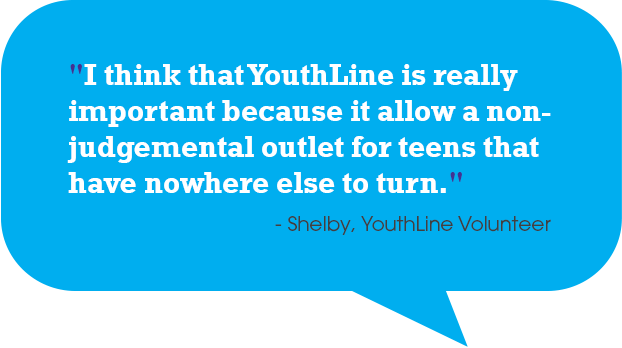
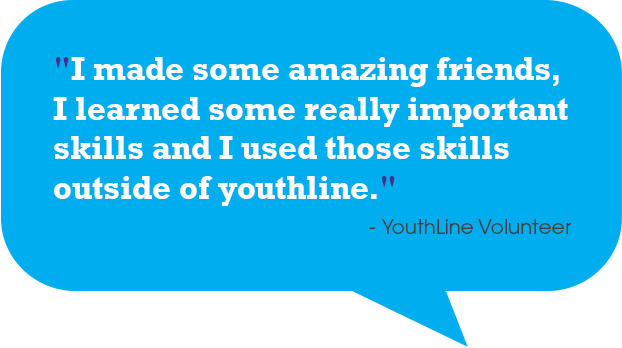
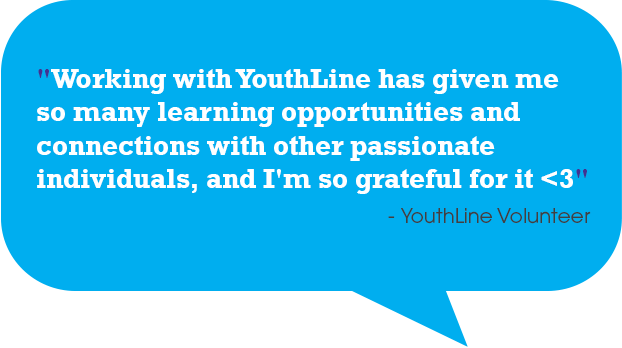
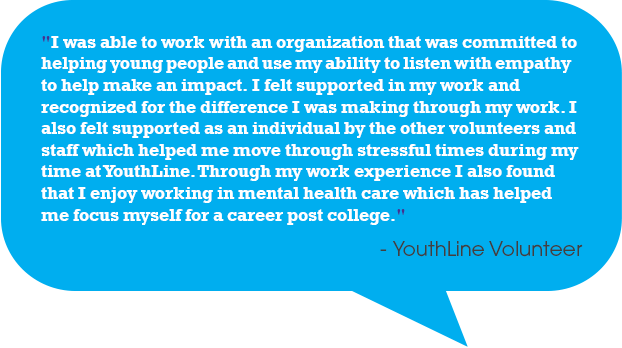
YouthLine is a free, peer-to-peer help, support, and crisis line for youth up to age 24. When you reach out, you connect with a trained peer volunteer, someone who understands what it’s like to be young and navigating life’s challenges.
No problem is too big or too small. Whether you’re feeling lonely, unmotivated, disconnected, overwhelmed, or just not yourself, YouthLine is here to listen. We’re ready to talk with you about anything you’re going through, including depression.
How to Reach YouthLine
- Call: 877-968-8491
- Text: “teen2teen” to 839863
- Chat: theyouthline.org
- Email: teen2teen@linesforlife.org
YouthLine is available for teens and young adults across the United States.
You Deserve Support
If depression has been weighing on you, you deserve care, understanding, and connection. Whether you’re feeling numb, exhausted, disconnected, or just not like yourself, you don’t have to carry it alone. YouthLine is here to listen.
Centers for Disease Control and Prevention. (2024). Prevalence of depression among adolescents aged 12–19 years: United States, 2019–2022. National Center for Health Statistics Data Brief, No. 527.
https://www.cdc.gov/nchs/products/databriefs/db527.htm
Kaiser Family Foundation. (2023). Roughly 1 in 5 adolescents report experiencing symptoms of anxiety or depression.
https://www.kff.org/coronavirus-covid-19/press-release/roughly-1-in-5-adolescents-report-experiencing-symptoms-of-anxiety-or-depression/
Substance Abuse and Mental Health Services Administration. (2023). Key substance use and mental health indicators in the United States: Results from the 2022 National Survey on Drug Use and Health (HHS Publication No. PEP23-07-01-005).
https://www.samhsa.gov/data/report/2022-nsduh-annual-national-report
Annie E. Casey Foundation. (2023). Youth mental health: Depression.
https://www.aecf.org/resources/youth-mental-health-depression
Pew Research Center. (2019). A growing number of American teenagers—particularly girls—are facing depression.
https://www.pewresearch.org/short-reads/2019/07/12/a-growing-number-of-american-teenagers-particularly-girls-are-facing-depression/