 1-877-968-8491

Struggling with Self-Harm and Self-Injury:
Support for Teens and Young Adults
If you’re searching, “self-harm” or “self-injury,” you’re not alone, and help is available. YouthLine offers free, confidential peer support for young people up to age 24. You can call 877-968-8491, text “teen2teen” to 839863, chat at theyouthline.org, or email teen2teen@linesforlife.org. You don’t need to be in crisis to reach out. Sometimes you just need someone who gets it.
Struggling with Self-Harm and Self-Injury Is More Common Than You Think
Being young is tough, and growing up means constant change. Your body, brain, friendships, school, interests, and home life can all shift at once, sometimes faster than you can keep up. With so much going on, it’s easy to feel overwhelmed and like there’s nothing that can help relieve the pain. Feeling this way might lead to using methods like self-harm or self-injury in order to manage your emotions.
If you’re a young person struggling with using self-harm to cope: you’re not broken. Feeling overwhelmed by your emotions and circumstances doesn’t mean something is wrong with you. It often means you’re human and coping in the only way you know how.
If you’re a young person who is worried about a friend or loved one that is self-harming, you’re not alone.
Signs You’re Struggling with Self-Harm or Self-Injury
Self-harm or self-injury can show up in different ways. You might relate to some of these experiences.
You might feel overwhelmed by the intensity of your emotions or the circumstances occurring in your life. Maybe you feel the opposite, and you’re experiencing a sense of numbness and disconnection. When you want to feel better, it may feel like your usual coping skills or interests aren’t working anymore. Self-harm or self-injury can look different depending on the person, but you might notice that the main coping skill you rely on is something that harms you. This could look like cutting, burning, hair-pulling, excessive scratching, or engaging in different behaviors to hurt yourself mentally or physically.
If any of this resonates, you’re experiencing something many young people face. You deserve non-judgmental support, and reaching out is a sign of strength.
What to Do If You Feel Like You’re Struggling with Self-Harm
Feeling that your only coping skill is self-harm or self-injury can be an isolating and scary experience to have. It’s important to know that there are small steps you can take to get support.
Start with one trusted adult. It’s important to get support from a trusted adult when you are worried about your relationship, or a friend’s relationship, to self-harm. Whether it’s a parent, an extended family member, a counselor, or a teacher, you deserve to have someone know that you are struggling.
Reach out for support from a resource. It can be helpful to speak to someone who isn’t a part of your daily life but may be able to listen and provide a safe space for you to share what you’re struggling with. Being able to talk about what you’re going through can help you understand why you’ve been self-harming and what coping strategies may help you. YouthLine could be a great resource to reach out to about this.


What Is YouthLine?
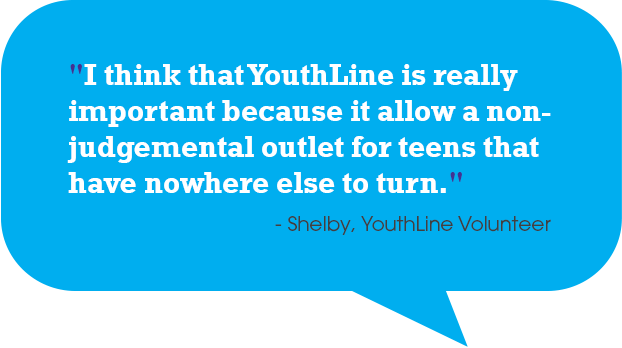
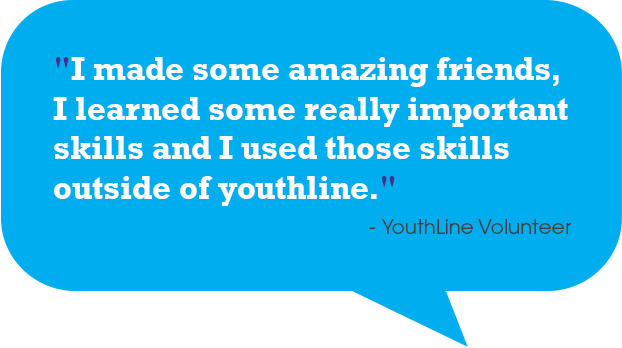
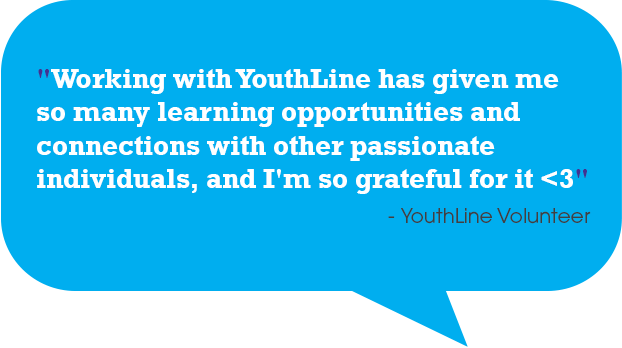
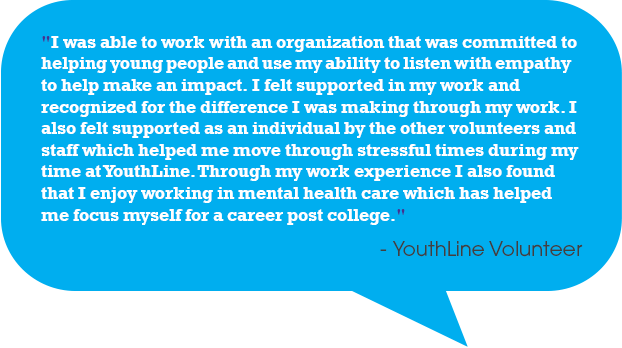
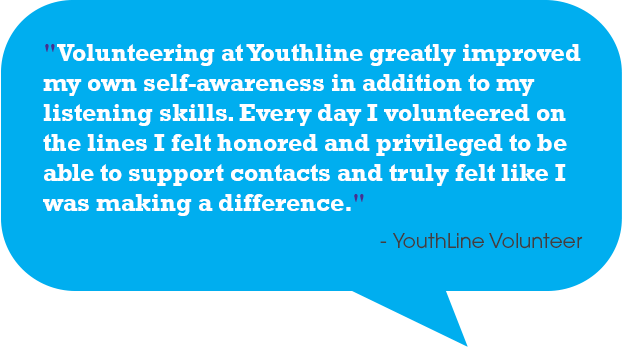
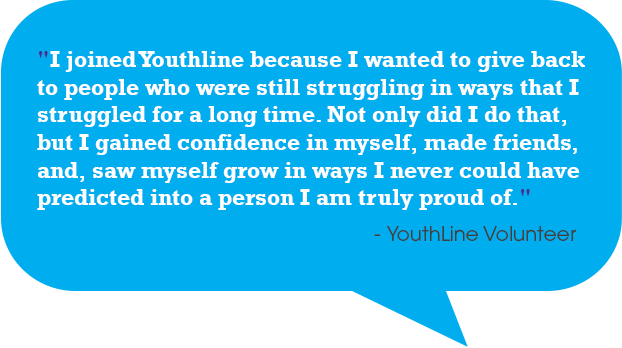
YouthLine is a free, peer-to-peer help, support, and crisis line for youth up to age 24. When you reach out, you connect with a trained peer volunteer, someone who understands what it’s like to be young and navigating life’s challenges.
No problem is too big or too small. Whether you’re feeling lonely, unmotivated, disconnected, overwhelmed, or just not yourself, YouthLine is here to listen. We’re ready to talk with you about anything you’re going through, including self-harm and self-injury.
How to Reach YouthLine
- Call: 877-968-8491
- Text: “teen2teen” to 839863
- Chat: theyouthline.org
- Email: teen2teen@linesforlife.org
YouthLine is available for teens and young adults across the United States.
You Deserve Support
Feeling like you’re struggling with self-harm and self-injury can feel isolating. It describes a way you’ve learned to cope but does not define your worth. Many young people who struggle with self-harm are able to go on to change their relationship to coping. This period of struggle doesn’t have to be permanent.
You deserve to have coping skills that allow you to feel safe. You deserve spaces where you feel seen and valued. You deserve support while you navigate this challenging stage of life.
If you’re struggling with self-harm, consider reaching out to YouthLine. Talking to someone who understands can help you feel less alone and allow you space to explore other coping skills without judgment.
YouthLine is here for you, wherever you are, whatever you’re going through. Reach out today.